


Building inside Cincinnati city limits
Cincinnati has 52 neighborhoods, and most of them filled in decades ago. That is the appeal. Mature trees, sidewalks, a square or a business district within walking distance, and a short drive downtown.
Building a new home inside the city is a different project from building in a suburban subdivision. Lots are smaller and often already hold a house. Many sit on hillsides. And the City of Cincinnati, not a township or county office, handles the zoning and permits.
Is it harder? Sometimes. A custom home builder in Cincinnati’s older neighborhoods spends more time on the lot itself, from slope and access to how a new design will sit beside houses that went up a century ago.
Neighborhoods where Ashford builds
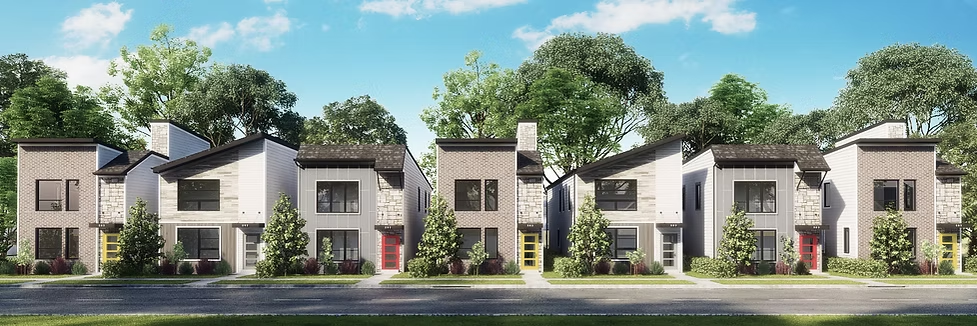
Three neighborhoods on the city’s east side, plus a newer enclave, cover most of Ashford’s work inside the city:
The suburbs around the city
Prefer more room? Ashford also builds across the suburbs that ring Cincinnati:
- East side: Anderson Township, Mariemont, Terrace Park, Milford, Miami Township and Goshen.
- Northeast: Madeira, Montgomery, Blue Ash and Loveland.
- North: Mason and West Chester.

Infill, teardown and hillside lots
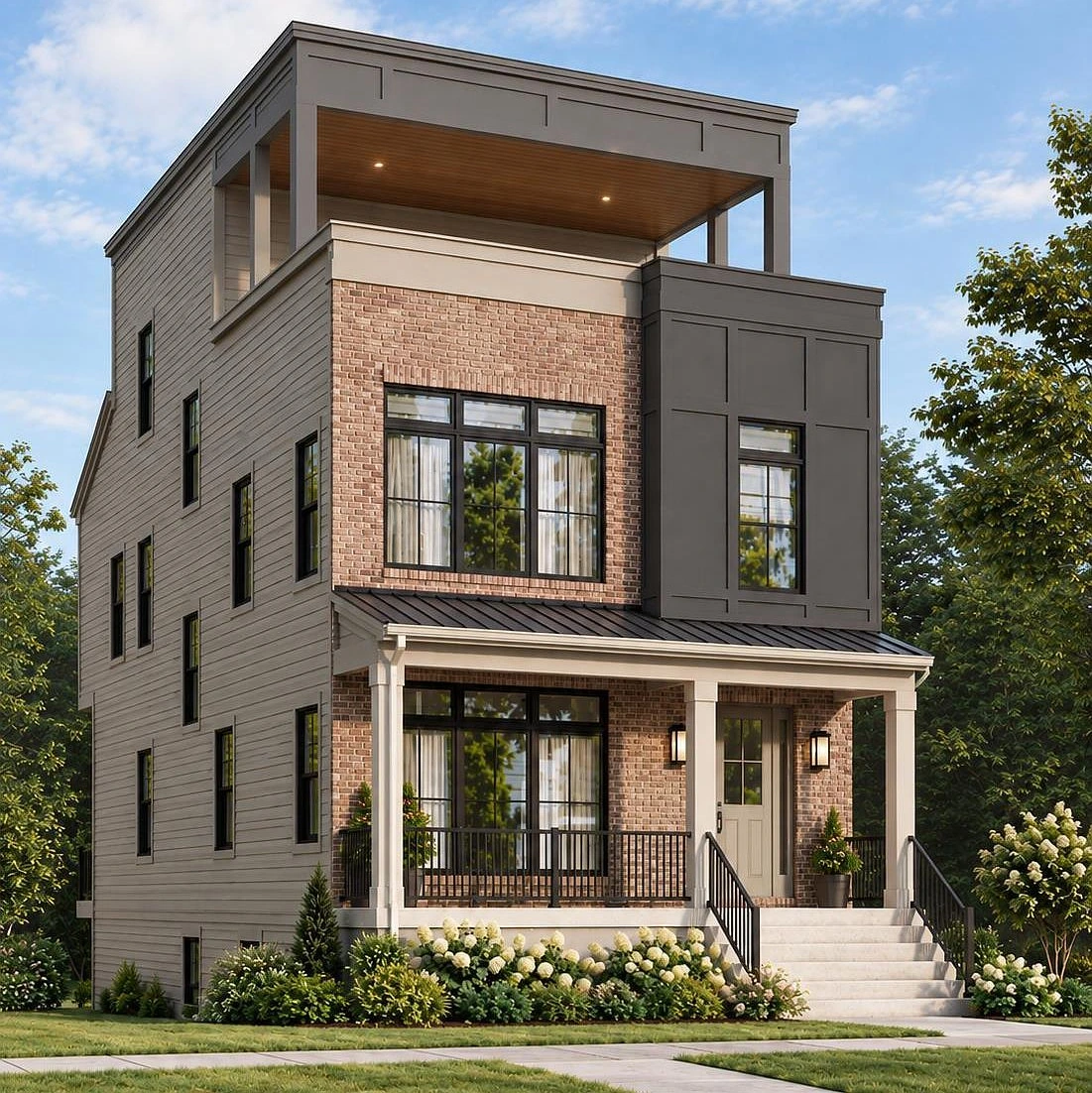
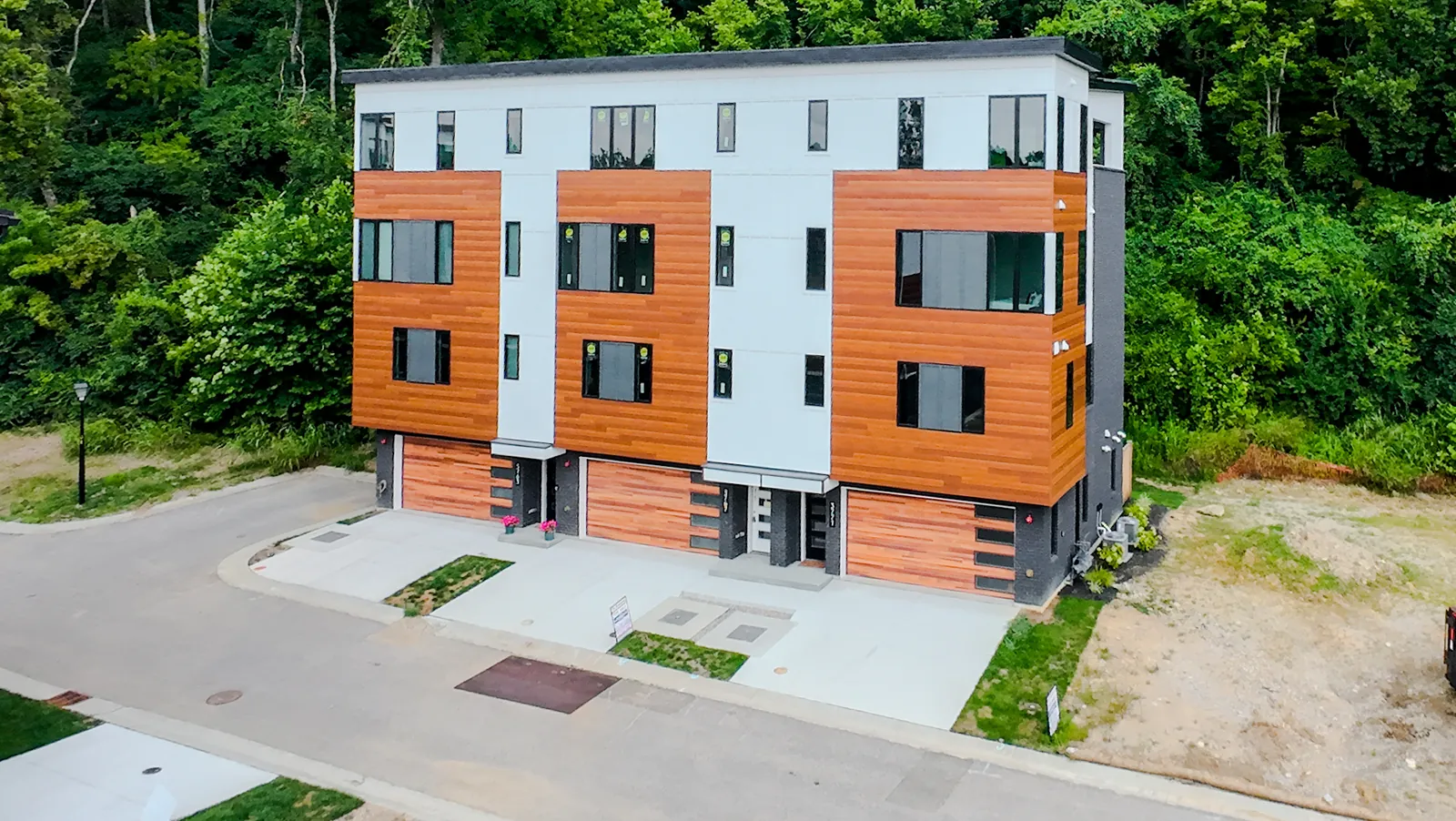
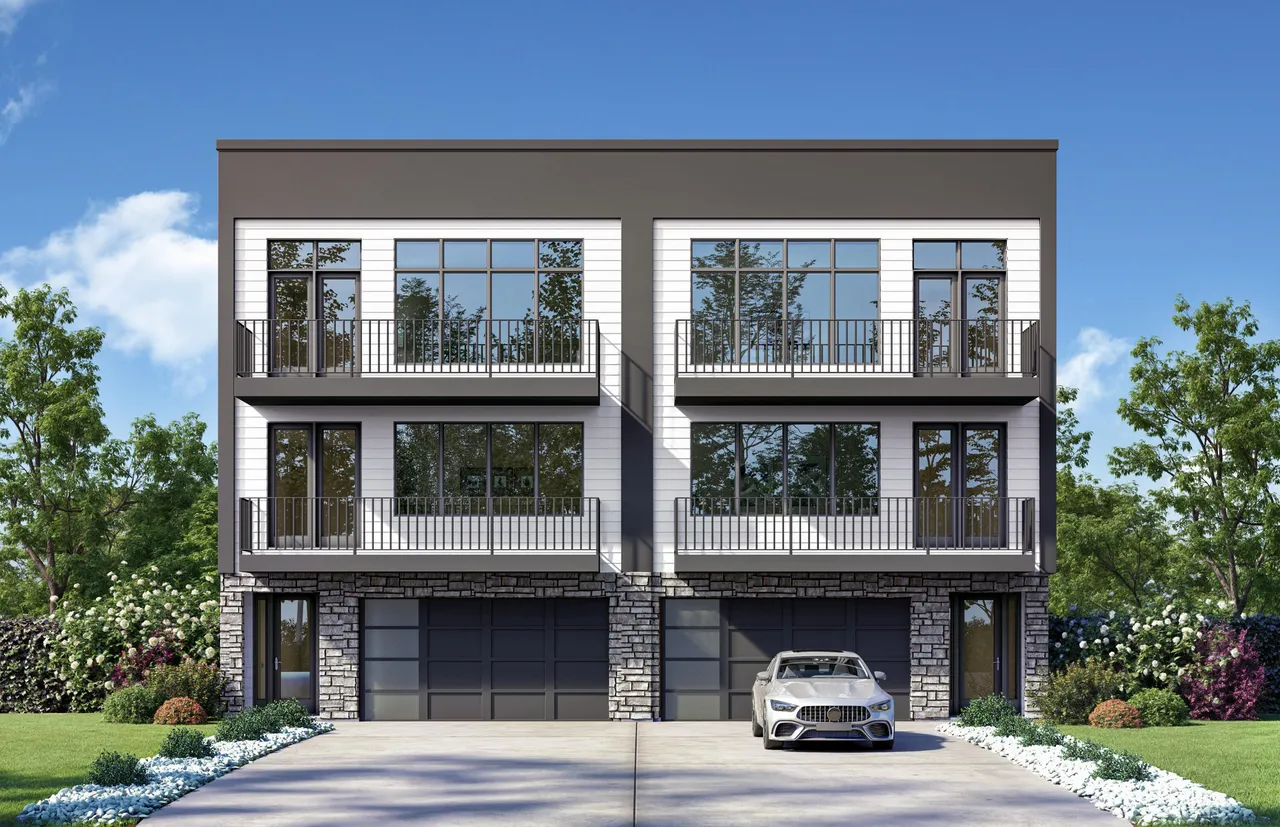
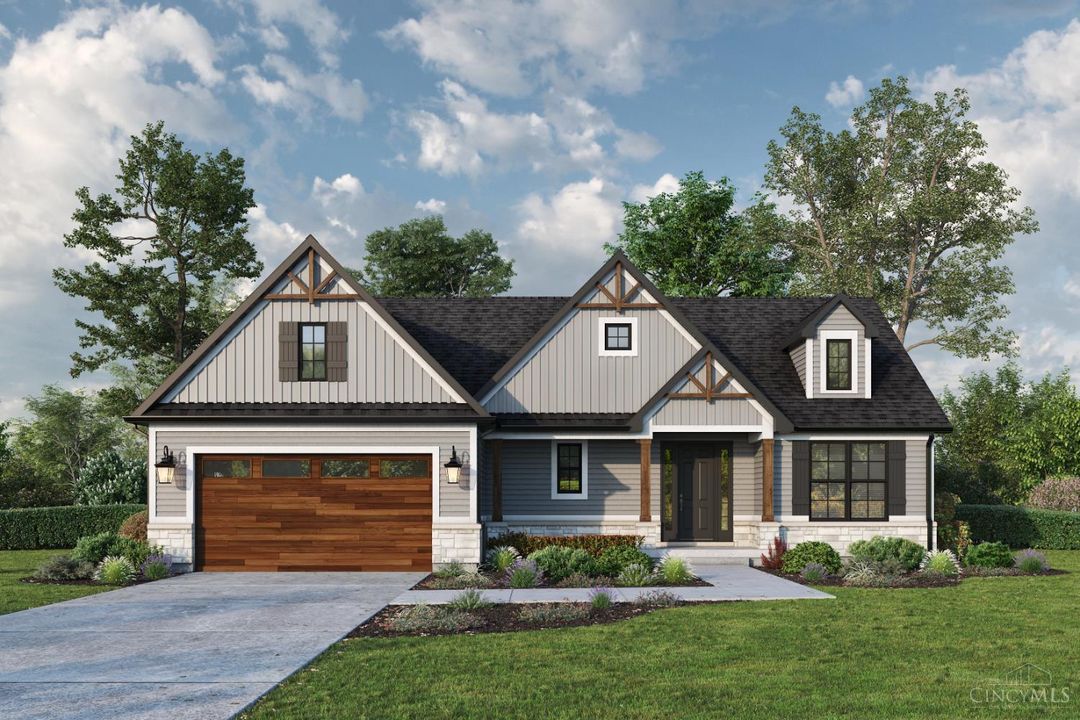
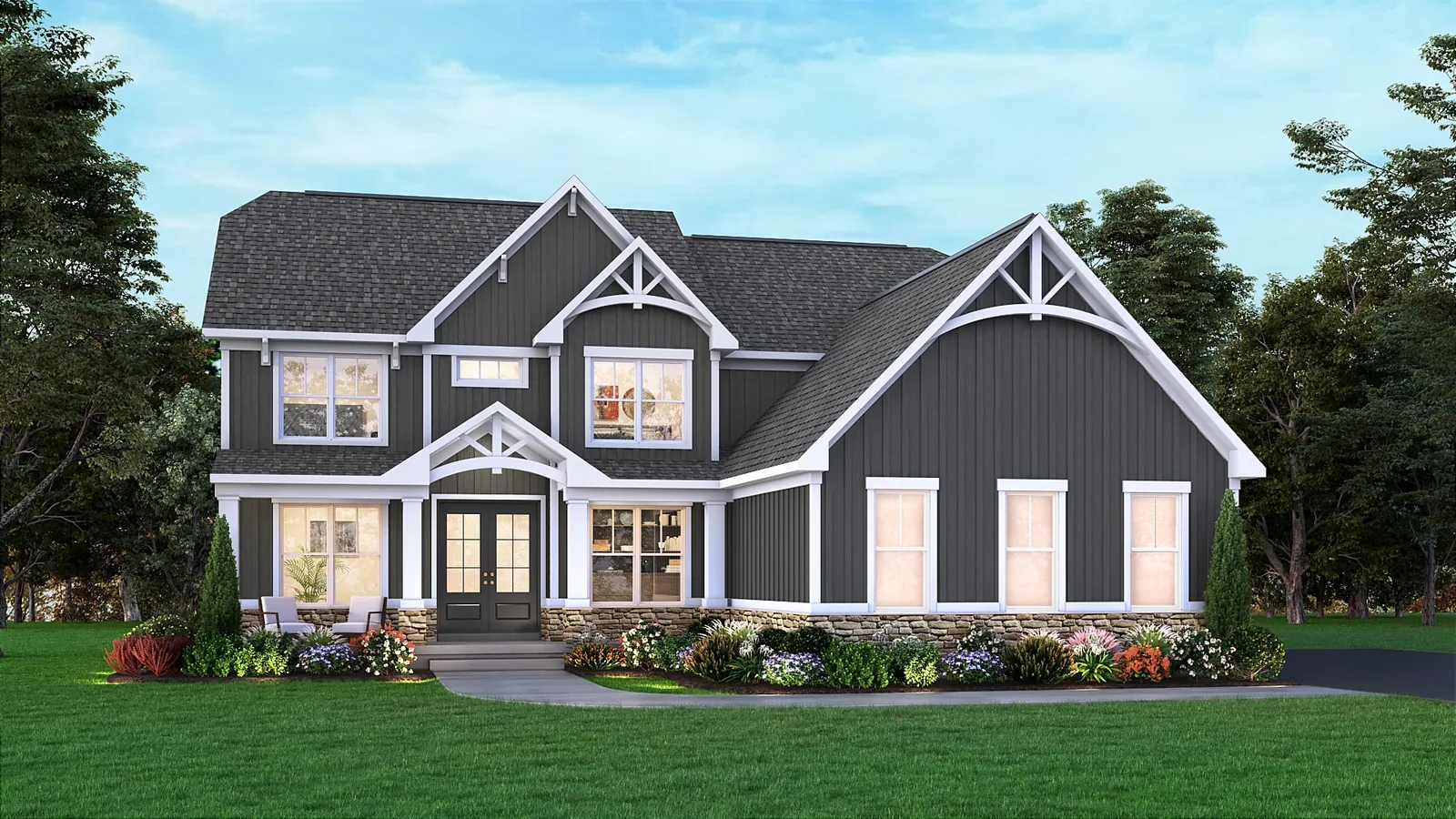
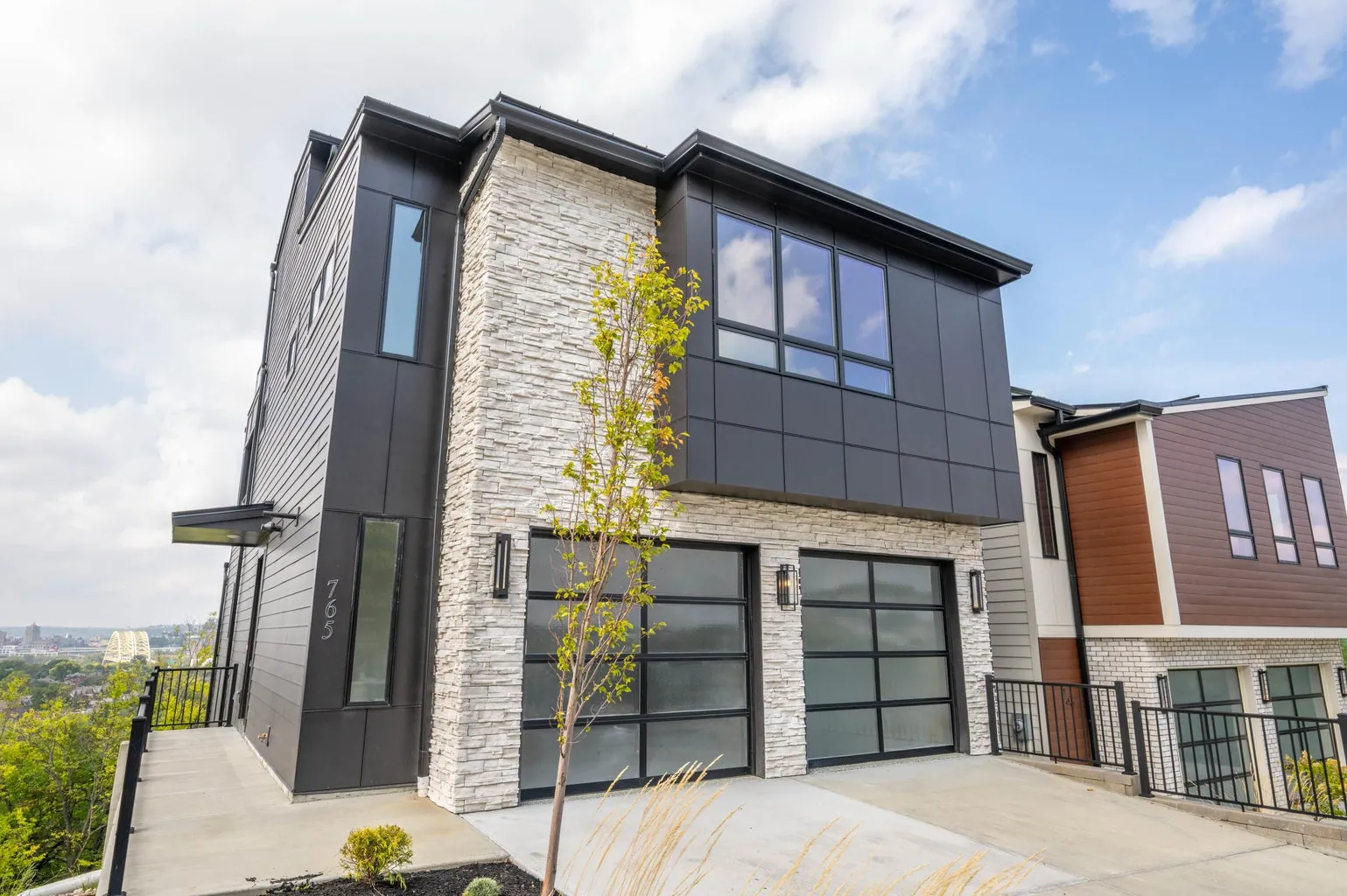
Three kinds of lots make up nearly all new construction inside the city.
What do the three have in common? Ashford evaluates each one (utilities, access, slope and what zoning allows) before a floor plan is chosen, and anyone who already owns land can start with an evaluation of that land.
Permits and approvals
Building permits come from the city’s Department of Buildings and Inspections, through its Permit Center on Central Avenue downtown.
Zoning sets what can go on each lot. Two overlays add steps: steep parcels can fall within a Hillside Overlay District, with added limits on setbacks and excavation. Work in one of the city’s 26 local historic districts also needs a Certificate of Appropriateness before exterior plans move ahead.
How long does review take? It depends on the lot, the design and the city’s schedule, and the submissions go through Ashford’s team, which walks owners through each step.
Residential tax abatement basics
Some areas offer property tax abatement on new construction. Terms vary by city and neighborhood, and Ashford’s team can help check eligibility.
Cincinnati reworked its residential abatement program in 2023 so that benefits depend on the neighborhood, and a promised review of those changes was still pending in late 2026. Details can shift. The city’s Department of Opportunity and Resident Services runs the program, and its residential tax abatement page is the place to confirm current terms for a specific address.
Start from an Ashford floor plan
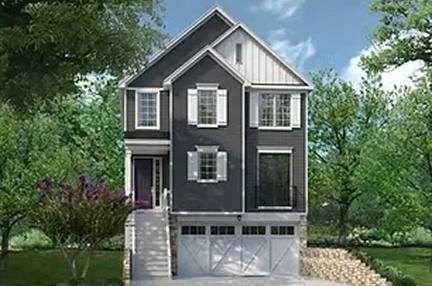
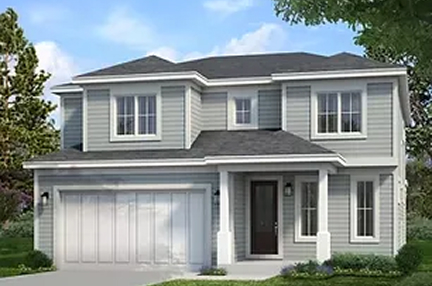
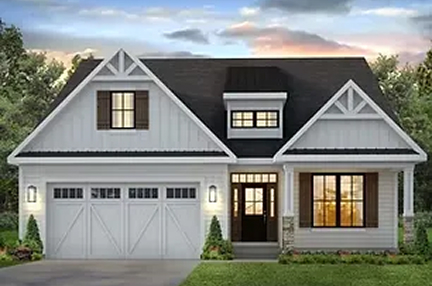
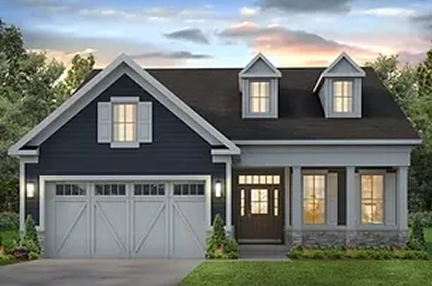
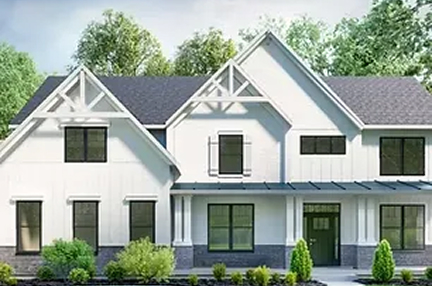
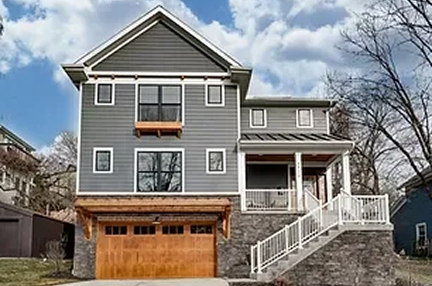
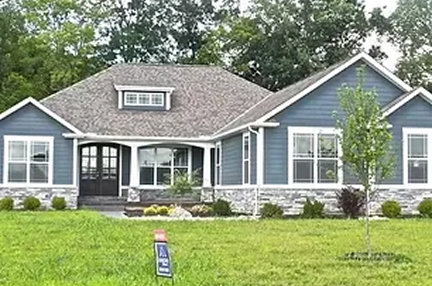
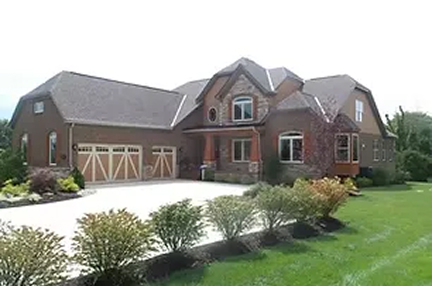
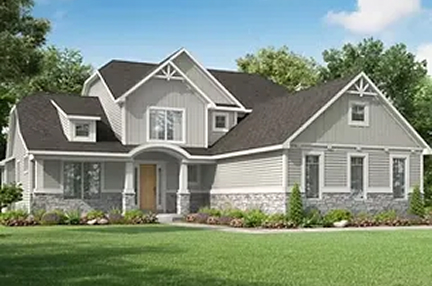
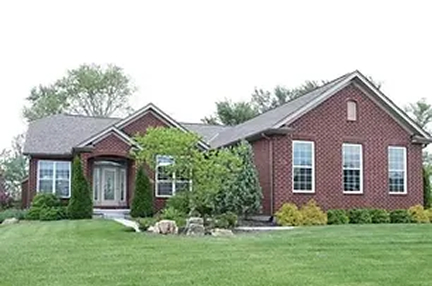
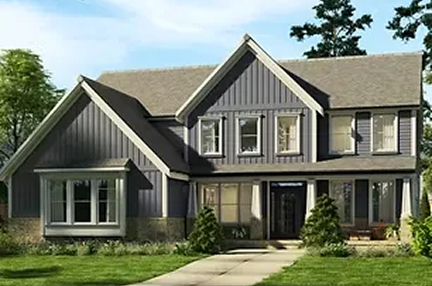
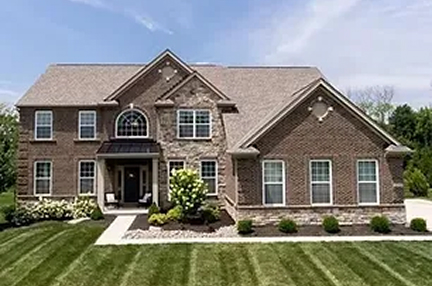
A city build can start from one of the company’s floor plans and then get adjusted to the lot. Narrow parcels call for slimmer footprints; hillside lots often get a walkout lower level and a garage that works with the grade. Browse a few plans below.
City or suburb?
Both have a case. Inside the city, the draw is walkable squares, older trees and shorter drives downtown, traded against smaller lots, older utilities and a design that has to fit an established block.
Out in the suburbs the lots tend to run larger, and more of them are open land. The commute grows with the distance, though. Which one wins comes down to the lot, the amount of site work it needs and the daily drive.
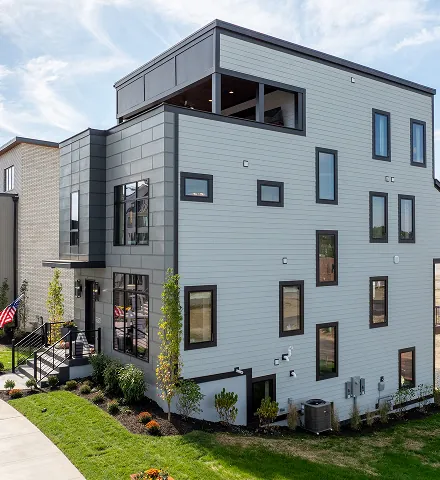
Ashford neighborhoods inside the city



Frequently asked questions
Still deciding? The Ashford team can walk through lots, plans and timing in Cincinnati.
How many neighborhoods does Cincinnati have?
Cincinnati has 52 official neighborhoods. Inside the city, Ashford’s work centers on the east side, including Hyde Park, Oakley, Mt. Lookout and Foundry Park at Three Oaks in Oakley.
Does Cincinnati offer tax abatement for new homes?
Some areas offer property tax abatement on new construction. Terms vary by city and neighborhood, and Cincinnati’s program has changed in recent years. Ashford’s team can help check whether a specific lot qualifies.
Can you build on an infill lot in Cincinnati?
Yes. Infill lots and teardowns make up most new construction inside the city. The design has to meet city zoning and fit the street, and Ashford evaluates the lot before choosing a plan.
What is the difference between building in the city and in the suburbs?
City lots are usually smaller, often sloped and surrounded by older homes, and the City of Cincinnati handles permits. Suburban lots tend to be larger, with townships, villages or cities handling zoning.
Start your Cincinnati build
Own a city lot or an older house, or have a neighborhood in mind? Start with a conversation. Ashford’s team will look at the property and lay out the floor plans, process and next steps that fit it.
Top photo: Downtown Cincinnati viewed from Devou Park by EEJCC, resized and cropped. Licensed under CC BY-SA 4.0.