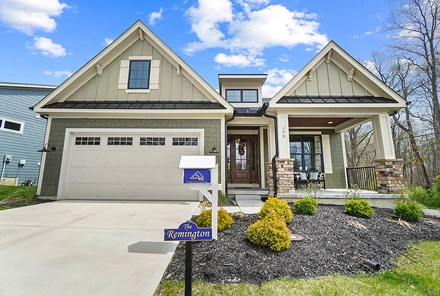
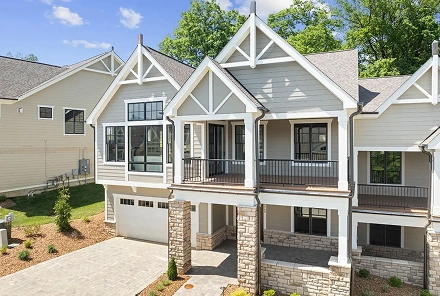
You can change almost anything about a house over time, but you can’t change where it sits. The neighborhood you choose shapes your commute, your kids’ schools, how you spend weekends, and how your home holds its value. Before falling in love with a floor plan, it pays to look closely at the location around it.
Start With Your Daily Routine
Think about where you go most often and how long you’re willing to travel to get there.
- Commute: Drive the route to work during rush hour, not just on a quiet afternoon.
- Errands: Note how far it is to groceries, pharmacies, and everyday services.
- Activities: Consider the distance to gyms, sports fields, places of worship, and the activities your family does each week.
- Highway access: Easy access to major roads can make the whole region feel closer.
Research Schools
Even if you don’t have children, school districts can affect demand for homes in an area. If you do have kids, visit the schools, review the district’s published information, and talk to local parents. Confirm which schools a specific address is assigned to, since district boundaries don’t always follow neighborhood lines.
Look at Amenities and Lifestyle
The right neighborhood should support the way you like to live.
- Parks, trails, and green space
- Restaurants, coffee shops, and local businesses
- Community events, libraries, and recreation centers
- Walkability for everyday trips
Some buyers want a lively, walkable area close to the city. Others prefer more space and a quieter setting. Knowing which you value helps narrow the search.
Consider Safety and Traffic
Visit the neighborhood at different times of day and on different days of the week. Notice traffic levels, how fast cars move on residential streets, lighting at night, and whether sidewalks are available. Talking with residents can also give you a feel for the area that maps and listings can’t.
Think About Long-Term Value
A home is a long-term investment. A few signs of a neighborhood that may hold its value well include well-maintained homes and yards, ongoing investment in local infrastructure and businesses, and steady demand from buyers. Look into any planned development nearby, such as new roads or commercial projects, that could change the area over time.
Understand the Costs Beyond the Home
Location affects more than the purchase price. Compare property taxes, any homeowners association fees and rules, utility providers, and insurance costs between areas you’re considering. Some communities also offer programs such as property tax abatements on new construction, so it’s worth asking what applies to a specific location. Our article on Cincinnati’s tax abatement explains one example.
Consider Lot and Neighborhood Fit
Within a neighborhood, the individual lot matters too. Look at the lot’s size, shape, slope, and orientation, which affects natural light. Consider privacy, views, and proximity to busy roads. In a new community, ask about plans for remaining lots, common areas, and future phases. If you’re interested in planned neighborhoods, see why many families are choosing master-planned communities.
A Quick Neighborhood Checklist
- Commute tested at peak times
- Assigned schools confirmed for the address
- Everyday errands within a reasonable distance
- Parks and amenities that fit your lifestyle
- Visited on weekdays, weekends, and evenings
- Taxes, HOA fees, and other costs compared
- Planned nearby development researched
- Lot size, orientation, and privacy reviewed
Find the Right Place to Build
Ashford builds in communities across the Cincinnati area and can also help you build on your own land. Explore our communities to compare locations, or talk with our team about finding the right fit for your family.