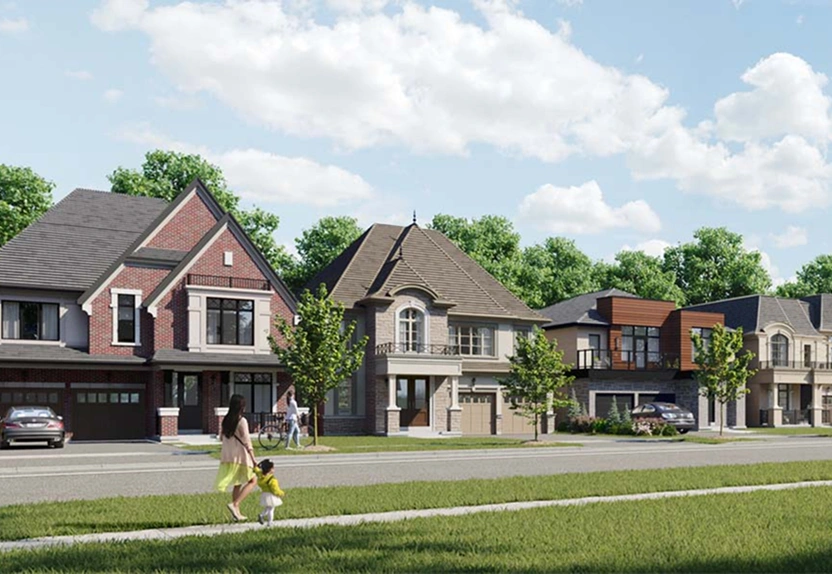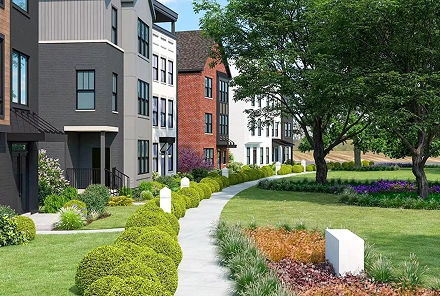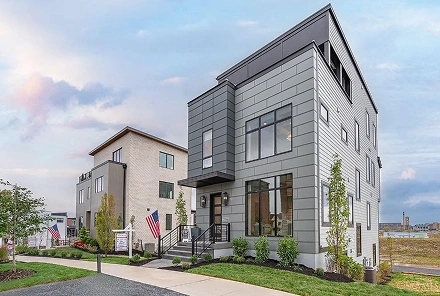
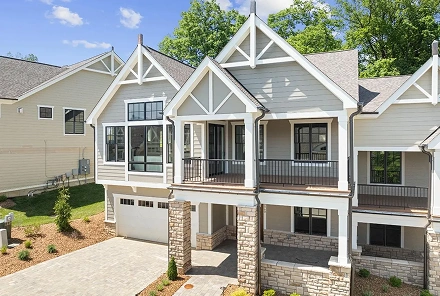
A fixer-upper can look like a bargain. The purchase price is often lower, and it’s easy to imagine turning a dated house into something special. But the listing price is only the beginning. Once you add up repairs, updates, and the time involved, a fixer-upper can end up costing more than expected, and in some cases building a new custom home may be the better value.
The Costs You Can’t See at First
Many of the most expensive problems in older homes are hidden behind walls, under floors, or in systems you don’t think about until they fail. A thorough inspection is essential, but even inspections can’t reveal everything. Common surprises include:
- Electrical systems that need updating to handle modern demands or meet current codes
- Plumbing with aging pipes, leaks, or outdated materials
- HVAC systems nearing the end of their lifespan
- Roofing that needs repair or replacement
- Foundation or structural issues that require specialized repair
- Water damage, mold, or pest damage discovered once work begins
- Hazardous materials found in some older homes that need proper handling during renovation
Renovation Costs Add Up
Beyond repairs, most buyers want to update kitchens, bathrooms, flooring, and finishes. Renovation work in an existing home can be more complex than new construction because crews have to work around existing conditions. Once walls are opened, additional work is sometimes needed to bring things up to code. These factors can make renovation budgets harder to predict.
Energy Efficiency
Older homes are often less energy efficient than new construction. Insulation, windows, and systems may not match current standards, which can mean higher utility bills over time. Upgrading efficiency is possible, but it adds to the renovation budget, and some improvements, such as adding insulation inside finished walls, are difficult to do well after the fact.
The Cost of Time
Renovations take time, and that time has a cost. You may be living in a construction zone, paying for temporary housing, or carrying two housing payments while work is completed. Delays from unexpected discoveries or material availability can stretch timelines further.
Compromises You Can’t Renovate Away
Some limitations are difficult or impossible to fix. Room sizes, ceiling heights, the overall layout, and how the home sits on its lot can be expensive to change. After significant investment, you may still end up with a home that doesn’t fully fit how you want to live.
How Building Custom Compares
Building a new custom home has its own costs and timeline, but it offers advantages worth weighing:
- A layout designed around your needs instead of one you have to work around
- New systems and materials, which typically mean fewer repairs in the early years
- Modern energy efficiency built in from the start
- A clearer budget, with costs defined during planning rather than discovered mid-project
- Builder warranty coverage; ask your builder what theirs includes
How to Compare the True Cost
To make a fair comparison, add up the full cost of each option:
- Fixer-upper: purchase price + inspection findings + repairs + renovations + efficiency upgrades + temporary housing or carrying costs + a contingency for surprises
- New custom home: land (if needed) + construction + selections + site costs + closing and financing costs
Then consider what you get for that total: how well the home fits your needs, how much maintenance to expect, and how long you plan to stay.
Making the Right Choice
A fixer-upper can be a good fit for buyers who enjoy renovation projects and have the time, budget, and flexibility to handle surprises. For buyers who want a home designed around their lives with fewer unknowns, building custom may offer better long-term value. For a broader comparison, read new construction vs. existing homes, learn how much a custom home costs in Cincinnati, or talk with Ashford’s team about your options.