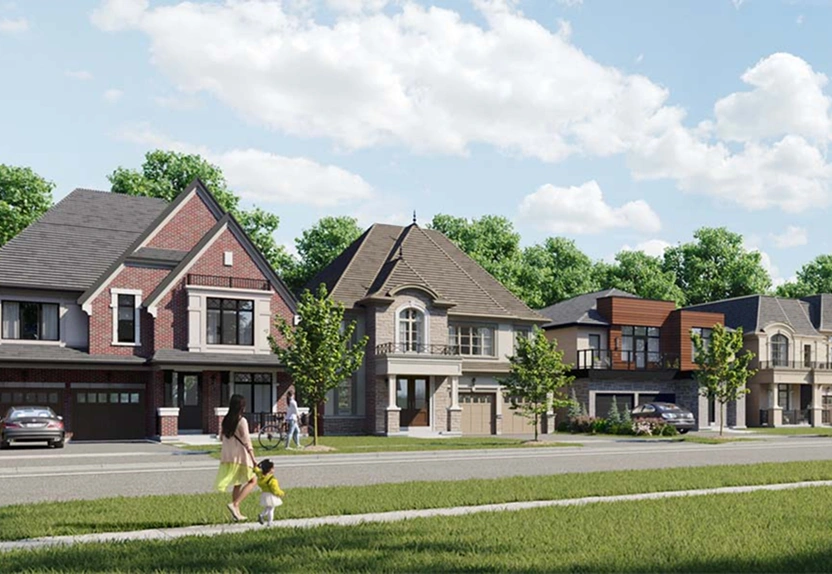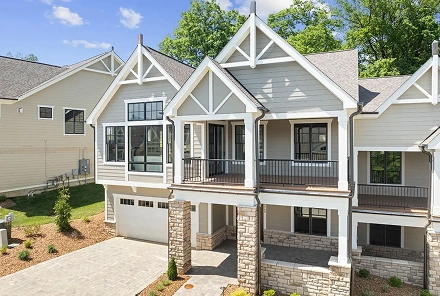
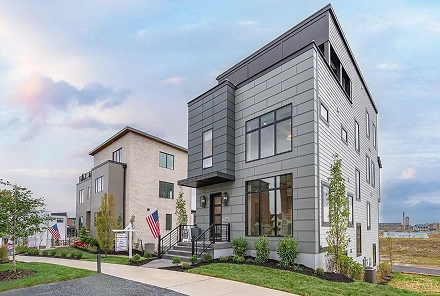
The suburbs between Cincinnati and Dayton offer a wide range of neighborhoods, home styles, and price points. That variety is great for buyers, but it also means there’s a lot to compare. Use this checklist to evaluate homes and neighborhoods with a clear head and make an offer with confidence.
Before You Start Touring
- Get pre-approved: Knowing your budget helps you focus your search and shows sellers you’re a serious buyer.
- List your must-haves: Number of bedrooms, a home office, a first-floor primary suite, yard size, or garage space.
- Map your commute: Many buyers in this region commute toward Cincinnati, Dayton, or employers in between. Test the drive at peak hours.
- Decide on your priorities: Know which features you’re flexible on and which are deal-breakers.
Evaluating the Neighborhood
- Confirm the assigned schools for the specific address.
- Check distance to groceries, healthcare, parks, and everyday errands.
- Visit at different times of day and on weekends.
- Look at traffic, noise, and how well nearby homes are maintained.
- Ask about homeowners association fees and rules, if any.
- Research planned development nearby, such as new roads or commercial projects.
- Compare property taxes between areas and ask whether any tax abatement programs apply.
For more on this step, see our guide on what to look for when choosing a neighborhood.
Evaluating the Home’s Exterior
- Roof: Ask about its age and look for missing shingles or visible wear.
- Foundation: Look for cracks, uneven floors, or doors that stick.
- Drainage: Check that the ground slopes away from the house and gutters direct water away.
- Siding, windows, and doors: Look for damage, rot, or drafts.
- Driveway and walkways: Note cracking or settling.
Evaluating the Interior
- Layout: Does the floor plan fit your daily routine?
- Storage: Are there enough closets, pantry space, and garage storage?
- Natural light: Note how bright the main rooms are and which way they face.
- Signs of water: Look for stains on ceilings and walls and check under sinks.
- Basement: Check for moisture, odors, or signs of past water problems.
- Kitchen and baths: Consider whether they’ll need updates soon.
Systems and Major Components
Ask the age and condition of the major systems, since replacing them can be costly:
- Heating and air conditioning
- Water heater
- Electrical panel and wiring
- Plumbing
- Major appliances
Always schedule a professional home inspection, and ask the seller for utility cost history to understand ongoing expenses.
Think About the Future
- Will the home work for your household in five to ten years?
- Can it adapt to changes such as a growing family or aging in place?
- How will updates and repairs affect your budget over the next few years?
- How has the neighborhood held its appeal over time?
Consider New Construction Too
If your search keeps turning up homes that need major updates or don’t fit your layout needs, new construction may be worth considering. Building lets you choose your floor plan and finishes while starting with new systems. Read our comparison of new construction vs. existing homes and the hidden costs of buying a fixer-upper.
Ready to Start Your Search?
Ashford builds in communities across the Cincinnati area. Browse homes for sale, explore our communities, or contact our team with your questions.