When it’s time to move, one of the first big decisions is whether to buy an existing home or choose new construction. Both paths can lead to a great home, but they differ in cost, maintenance, customization, and timing. Understanding those differences can help you decide which is right for your household.
Customization and Design
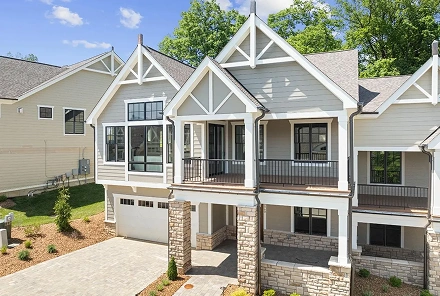
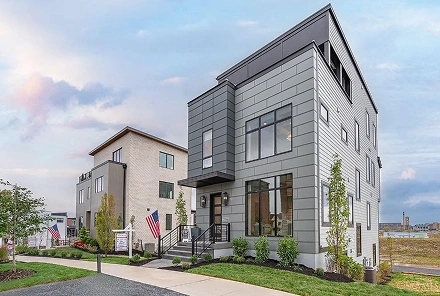
New construction gives you the opportunity to choose a floor plan and selections that fit how you live, from the layout to finishes and fixtures. With a custom builder, you can tailor the home even further.
Existing homes come as they are. You can renovate over time, but some changes, such as moving walls, plumbing, or updating systems, can be disruptive and costly.
Upfront Cost and Overall Value
Price comparisons aren’t always straightforward. An existing home may have a lower or higher purchase price than a comparable new home depending on the market and location, but it may also need updates soon after you move in, such as a new roof, HVAC system, windows, or kitchen. When comparing, look at the total cost of getting a home the way you want it, not just the list price. Our article on the hidden costs of buying a fixer-upper goes deeper on this.
Maintenance and Repairs
New homes are built with new materials and systems, which typically means fewer repairs in the early years. Many new homes also come with builder warranties; ask your builder what theirs covers.
Existing homes can have aging components that need attention. A thorough inspection is essential, and it’s wise to budget for repairs and replacements over the first few years.
Energy Efficiency
New construction is built to current building codes and can include modern insulation, windows, and high-efficiency systems, which can help keep utility costs down. Older homes may be less efficient, though upgrades can improve them over time.
Timing
This is where existing homes often have the advantage. If you need to move quickly, an existing home can be ready as soon as closing is complete.
Building a new home takes longer, since it involves design, permits, and construction. If you have flexibility, that time lets you make decisions and plan your move. Some builders also have completed or nearly completed homes available, which can shorten the timeline. You can see Ashford’s homes currently for sale, and our article on a typical house construction schedule explains how long building can take.
Location and Neighborhood
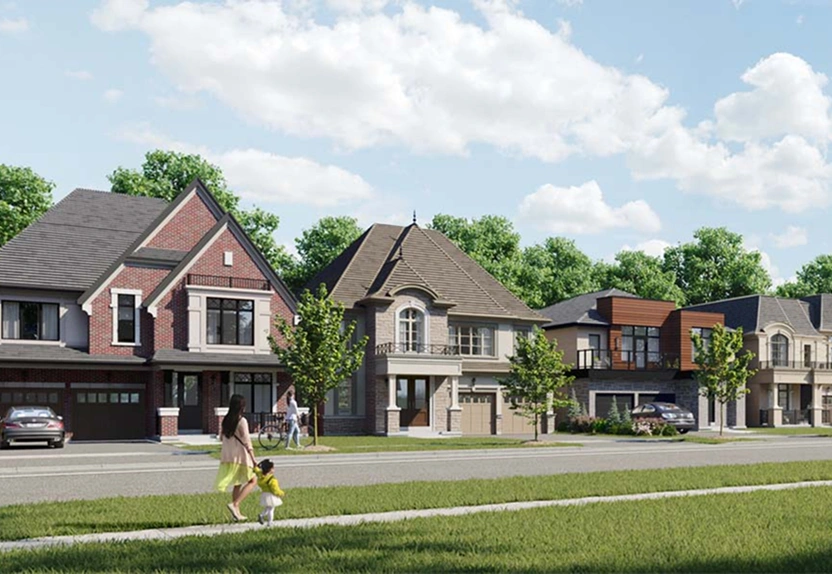
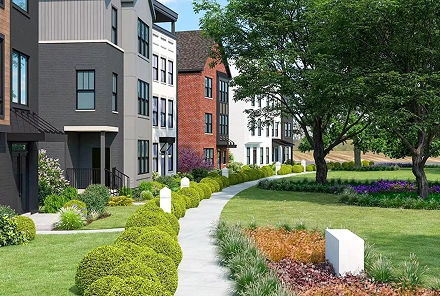
Existing homes are often in established neighborhoods with mature trees and developed amenities. New construction may be in newer communities or on individual lots, sometimes farther from the city center, though infill lots in established areas can also be available. If you already own land, building on it may be an option.
Questions to Help You Decide
- How soon do you need to move?
- How important is choosing your own layout and finishes?
- Are you comfortable taking on renovations and repairs?
- How much do energy efficiency and lower early maintenance matter to you?
- Is a specific established neighborhood a must, or are you open to newer communities?
- What is the total budget, including any updates an existing home would need?
Weighing Your Options
If timing and an established neighborhood matter most, an existing home may be the right choice. If you want a home designed around your needs, with modern systems and fewer early repairs, new construction is worth a close look. Many buyers find it helpful to compare a few existing homes with new construction options side by side using the questions above.
Exploring New Construction in Cincinnati
If you’re considering new construction, explore Ashford’s communities and custom floor plans, read our guide for first-time new construction buyers, or contact our team with your questions.